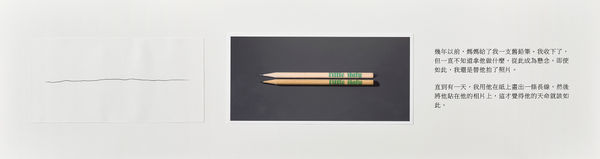
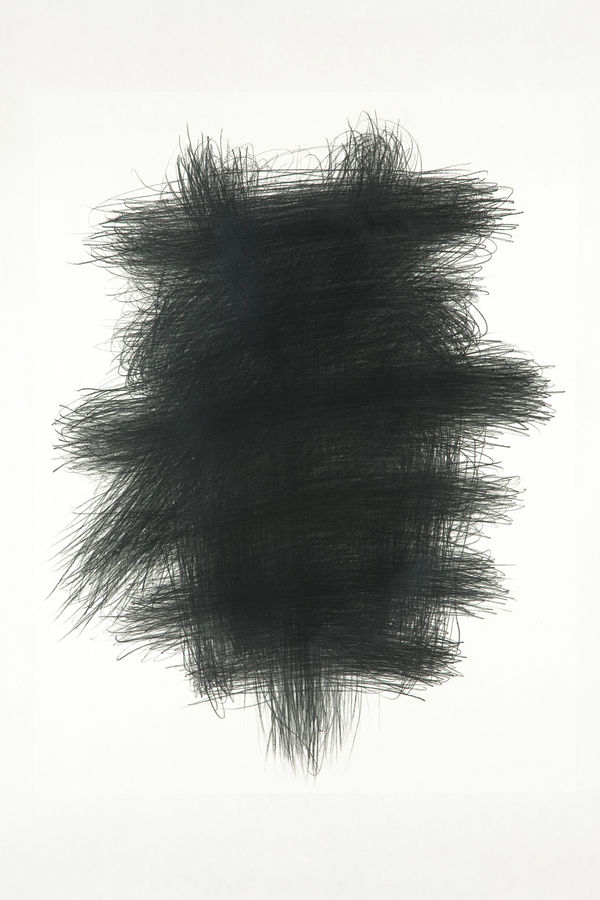
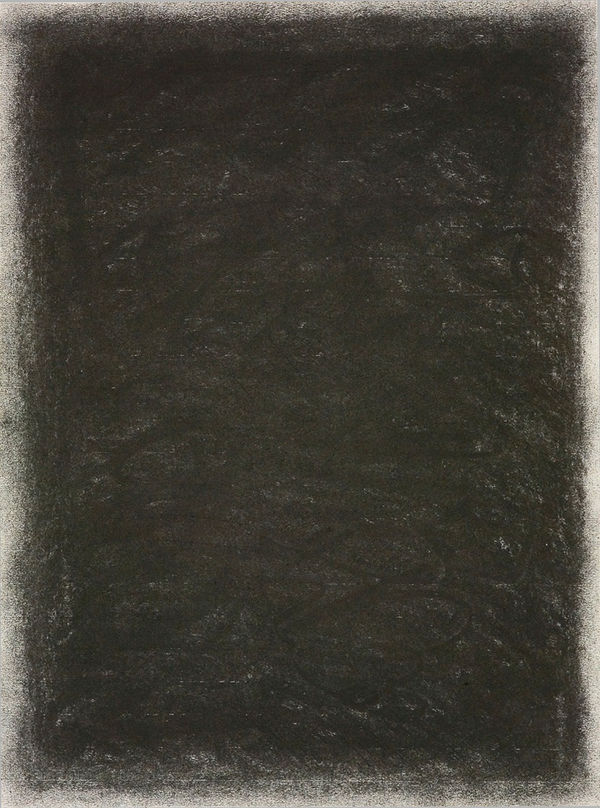
In the autumn of 1994, while I was studying at the University of California, Irvine, a moment of transition occurred. One day, as I was journaling, the pen that had accompanied my travels for years began to produce intermittent, faltering lines. I knew it was nearing the end of its life. I took a sheet of US Letter-sized paper and began drawing irregular, wandering lines until the ink was entirely spent. This became the first work in the "Pen Walking" series, titled "The Last Drawing in Life."
Following this experience, I wrote a poem using anthropomorphic metaphors. It described visiting an intimate friend—the pen—who had little time remaining. He asked me to support him, to help him complete the final drawing of his existence. The strokes within that drawing revealed our shared past: planned projects, sketches, and the subtle, profound moments we had experienced together. At the very end, the finish line returned to the start; he stopped exactly where the first stroke began, motionless. This gave rise to the poetic version of "The Last Drawing in Life."
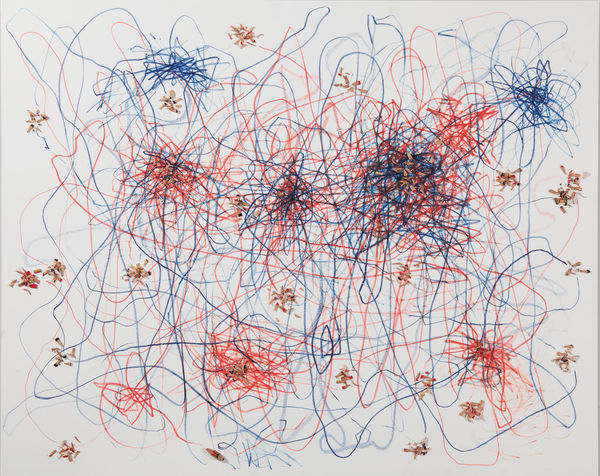
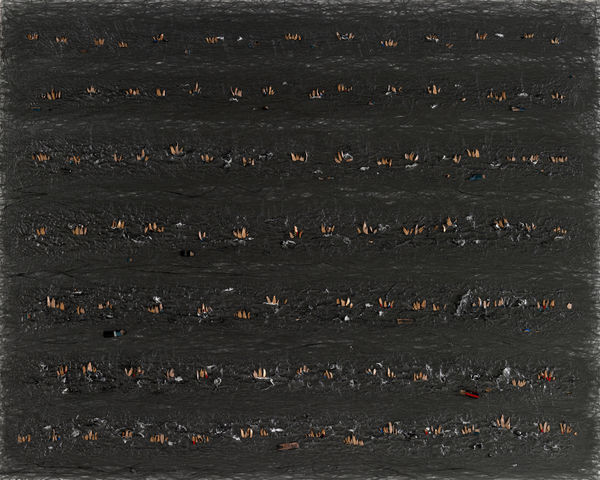
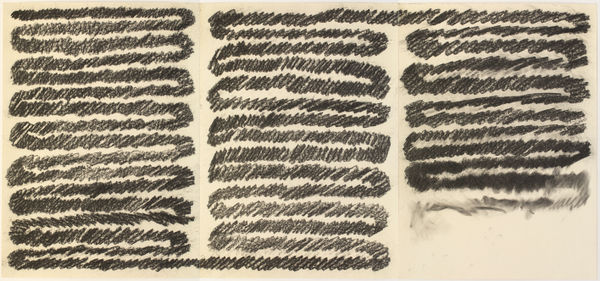
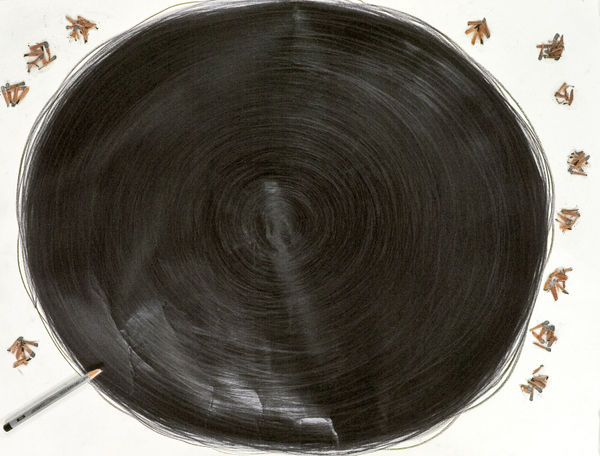
Subsequently, through the experiments of "Pen Walking #2, #3, #4, and #5," I used new ballpoint pens and charcoal, exhausting them across single or consecutive sheets of paper. My concept was simple: to consume a writing instrument entirely upon a single plane. Here, a pen serves as a metaphor for a single span of life (a lifetime) or a singular subject (the self). The traces of the strokes are like the deeds of a lifetime, while the worn-down, disintegrated pencil represents the destiny of the physical body. The sixth experimental work eventually became "The Pencil Walker" (1996–2015).
In the winter of 2006, within my small, ten-square-meter studio, I resumed the "Pen Walking" series, and the pencils began to draw lines once more. This act serves to release, heal, and stabilize the frustrations, repressions, and anxieties of my daily life. In many ways, it helped me navigate the most disheartening period of my existence; at times, I even experienced a sense of cathartic peace and solace, finding reasons and the strength to persevere.
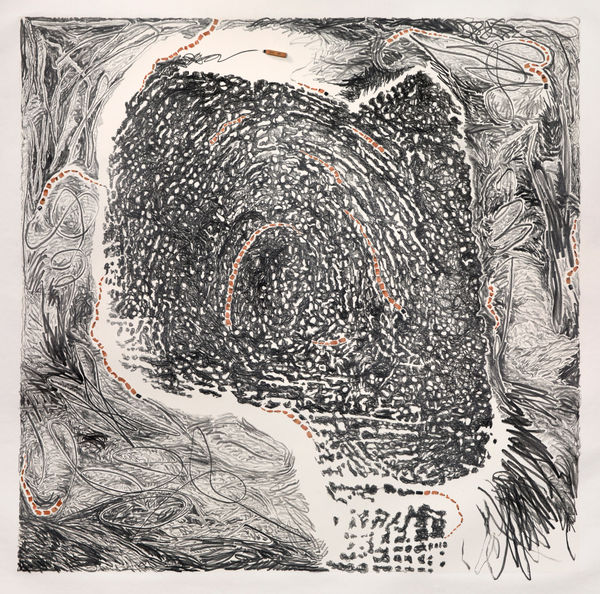
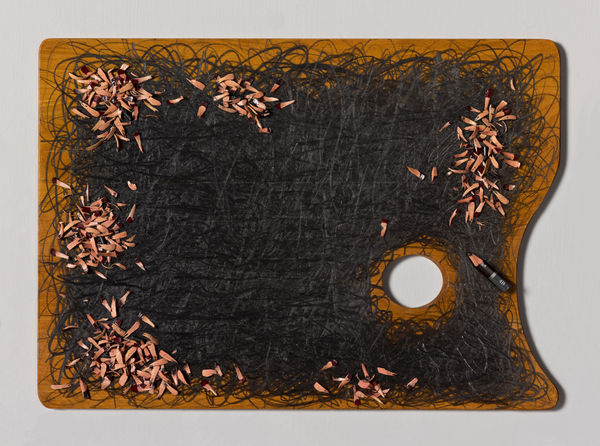
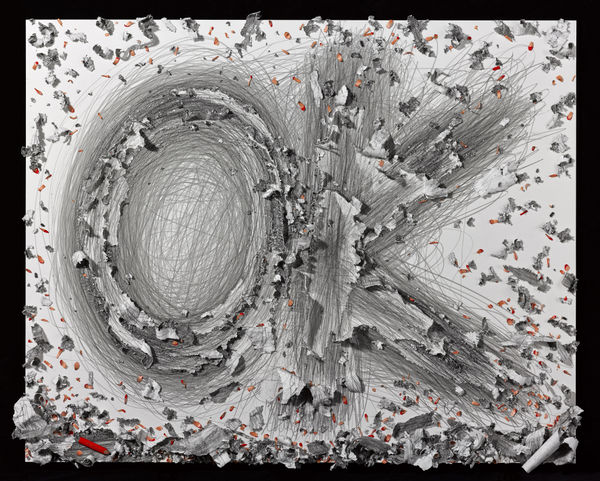
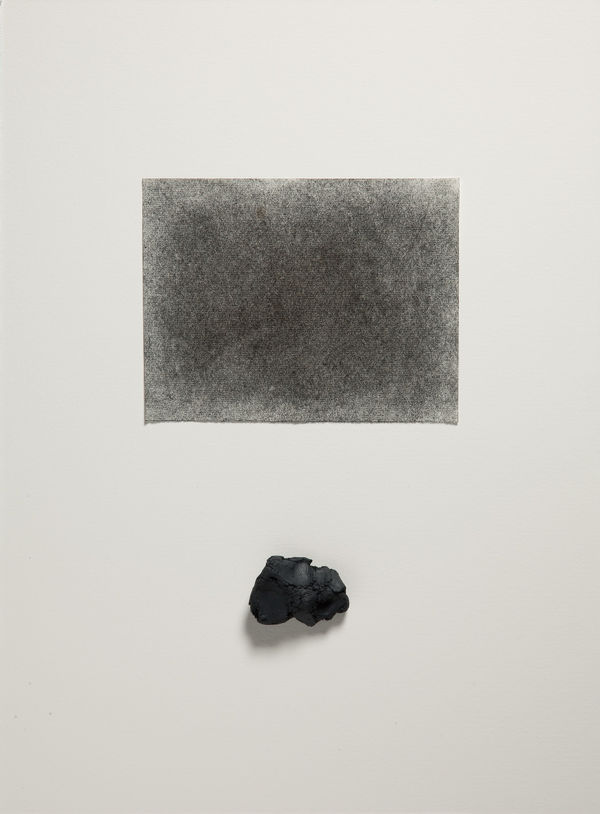
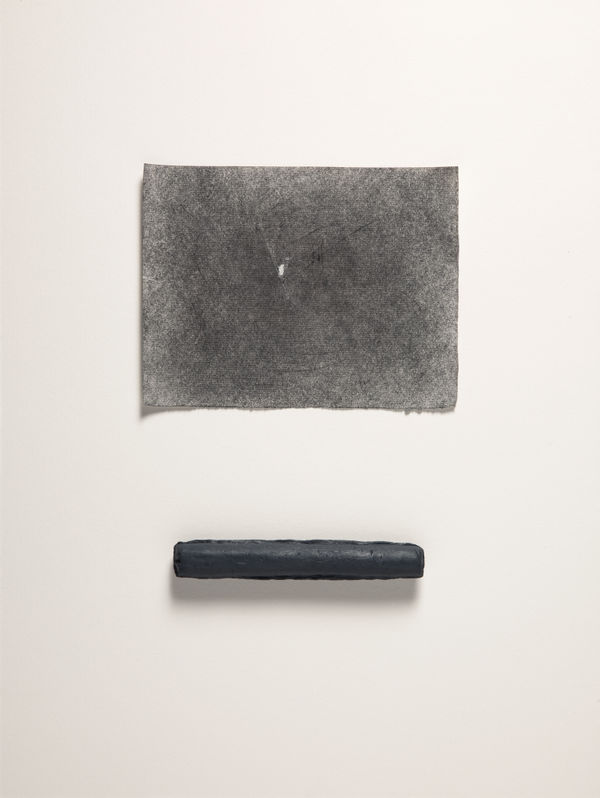
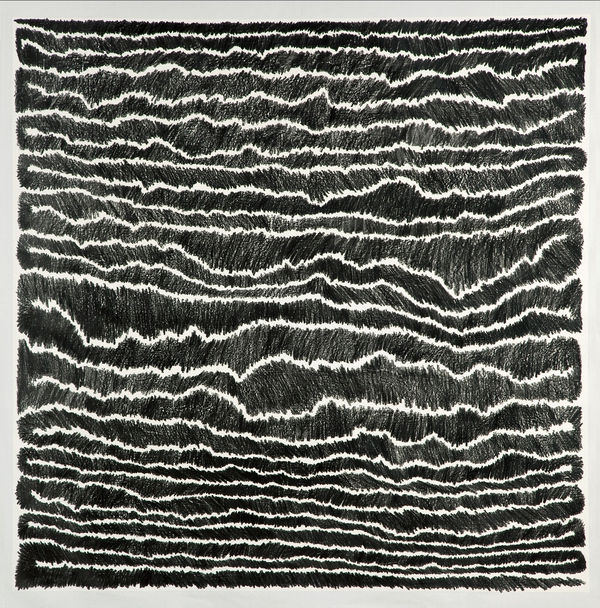
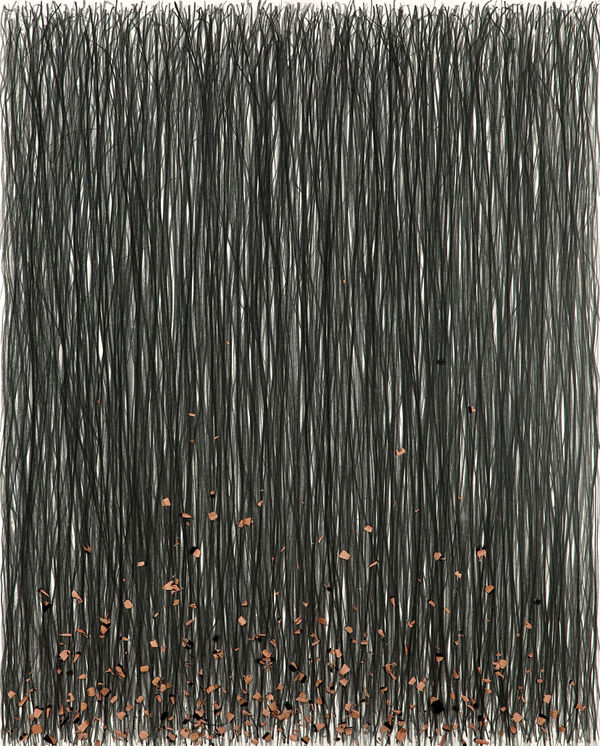
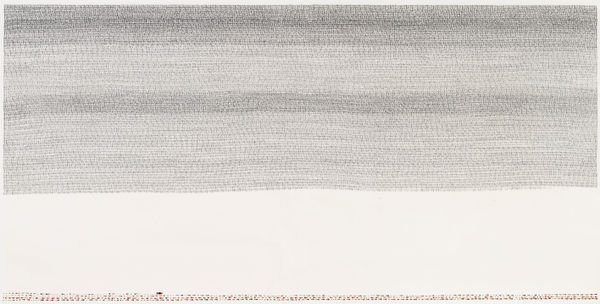
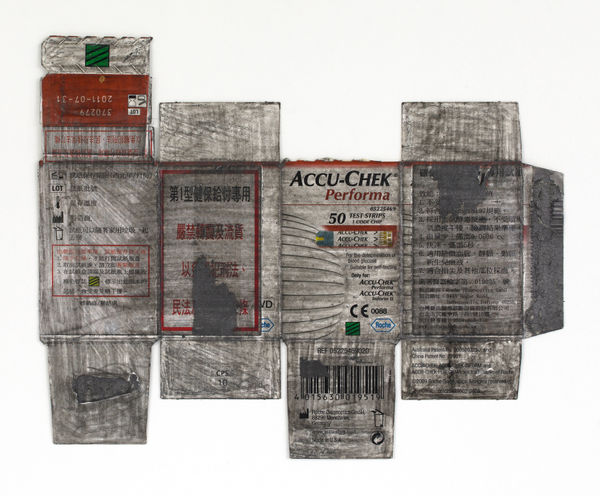
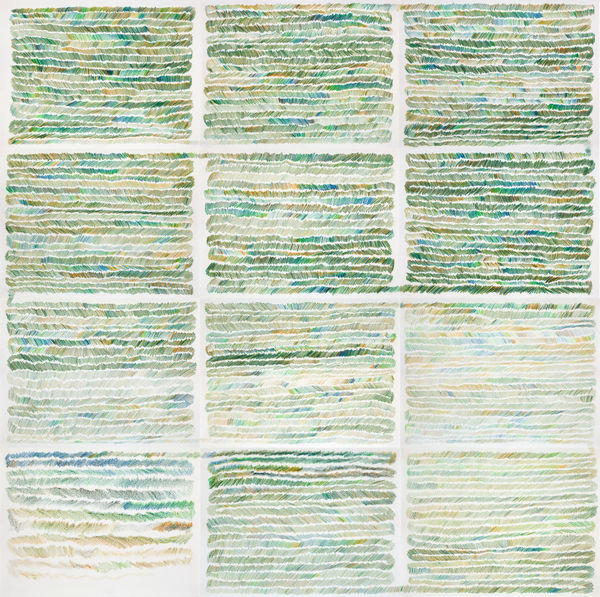
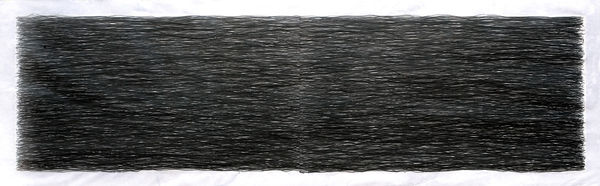
The "Pen Walking" works are typically presented as a pair. The "Pen Walking Drawing" is created by exhausting one or more pencils across one or several consecutive sheets; the strokes and shavings are the total remains of those instruments. The "Pen Walking Document" presents the "walker"—the pen—in the form of a performance document, combining text and imagery.
Both the "Pen Walking" series and "The Pencil Walker" are steeped in metaphor: each pen represents a cycle of reincarnation. The paper and walls, once pure and white but now blackened and soiled, symbolize the accumulated negative karma from past lives. "Pen Walking" silently surveys the works of a lifetime, leading one to sigh: "No matter what, it is but thus." Meanwhile, "The Pencil Walker" attempts to meditate before the negative karma accumulated over successive lifetimes: "If a pen can represent a person’s life, then in the long cycle of birth and death, what kind of life-lines am I repeatedly treading? Is it not just the continuous cycle of birth, aging, illness, and death? Is this toil meaningful? Should it continue like this?"
Facing such a life, you have not, in truth, seen through it. You both crave it and loathe it; you harbor a certain self-hatred. Thus, you fall silent... and your silence is the pen.
(originally published in the artist's monograph, 2013)
1994年秋天,當時我在美國加州大學爾灣分校念書。有一天,在我寫日記的時候,手中那支伴我旅行多年的筆漸漸寫畫出斷斷續續的線條,我知道它已經快到了它生命的盡頭。於是我拿出一張美國信紙尺寸的白紙,不規則地塗畫走線,直到筆水用盡才停止動作。這就是第一件的走筆作品〈生命中最後的一張畫〉。後來,針對這個經驗,我以擬人化的手法寫了一首詩,大意是去看望一位來日無多的知己-筆,他要我撐起他,幫助他完成生命中最後的一張畫。畫中的筆觸流露出我們共同經歷的過去,共同計劃的方案、草圖,乃至彼此心中幽微的點滴⋯。直到最後,終點又是起點,他停在起筆的地方,再也不動了。這就是〈生命中最後的一張畫〉詩文版的由來。
之後我在〈走筆#2、#3、#4、#5〉的實驗中找來全新的原子筆、炭筆,在單張或連續多張的紙上將筆耗盡。我的想法與作法很簡單,就是想辦法將一枝筆全部耗盡在一個平面上。在這裡,一枝筆可以隱喻為一期的生命(一生)或一次的主體(我),筆觸的痕跡猶如一生的作為,而卸解磨滅的鉛筆則是肉體的宿命。第六件的實驗之作就是後來的《走鉛筆的人》(1996-2015)。
2006年冬天,我在我三坪大的工作室中重新開始《走筆》系列,鉛筆終於又再畫出線條。這個行為可以抒發、治療、安定我生活中的苦悶、壓抑與焦慮。某方面而言,它幫助我度過生命中最沮喪的一段時間,甚至有些時候,我還經驗到一些滌淨後的平靜與安慰,找到一些繼續走下去的理由與力量。
《走筆》作品通常都是兩件一組,「走筆圖」是將一枝或多枝的筆耗盡在一張或多張連續的紙面上,筆觸與碎屑就是這枝筆所有的遺跡。「走筆文件」是把走筆的行者-筆,結合文字與影像以行為文件的形式呈現。
《走筆》系列與《走鉛筆的人》蘊含著一些隱喻:一枝枝的筆,代表一生生的輪迴。那面本來清靜潔白,如今黝黑污濁的紙與牆,則象徵過去生生世世累積的惡業。《走筆》沈默地全覽一生的作業,使人喟嘆:「不論再怎麼樣,也不過如此」,而《走鉛筆的人》則試圖在累生造作的惡業前冥想:「如果一枝筆,可以是一個人的一生。那麼在漫長的生死輪迴中,我重複走出的是什麼樣的人生線條?不就是不斷的生、老、病、死嗎?這些辛苦有意義嗎?還要這樣繼續下去嗎?」
面對這樣的人生,其實你並未看透。你既渴念也厭棄,你有些痛恨自己。於是,你沈默⋯,而你的沈默,就是筆。
(原載於2013年石晉華作品集)
Following this experience, I wrote a poem using anthropomorphic metaphors. It described visiting an intimate friend—the pen—who had little time remaining. He asked me to support him, to help him complete the final drawing of his existence. The strokes within that drawing revealed our shared past: planned projects, sketches, and the subtle, profound moments we had experienced together. At the very end, the finish line returned to the start; he stopped exactly where the first stroke began, motionless. This gave rise to the poetic version of "The Last Drawing in Life."
Subsequently, through the experiments of "Pen Walking #2, #3, #4, and #5," I used new ballpoint pens and charcoal, exhausting them across single or consecutive sheets of paper. My concept was simple: to consume a writing instrument entirely upon a single plane. Here, a pen serves as a metaphor for a single span of life (a lifetime) or a singular subject (the self). The traces of the strokes are like the deeds of a lifetime, while the worn-down, disintegrated pencil represents the destiny of the physical body. The sixth experimental work eventually became "The Pencil Walker" (1996–2015).
In the winter of 2006, within my small, ten-square-meter studio, I resumed the "Pen Walking" series, and the pencils began to draw lines once more. This act serves to release, heal, and stabilize the frustrations, repressions, and anxieties of my daily life. In many ways, it helped me navigate the most disheartening period of my existence; at times, I even experienced a sense of cathartic peace and solace, finding reasons and the strength to persevere.
The "Pen Walking" works are typically presented as a pair. The "Pen Walking Drawing" is created by exhausting one or more pencils across one or several consecutive sheets; the strokes and shavings are the total remains of those instruments. The "Pen Walking Document" presents the "walker"—the pen—in the form of a performance document, combining text and imagery.
Both the "Pen Walking" series and "The Pencil Walker" are steeped in metaphor: each pen represents a cycle of reincarnation. The paper and walls, once pure and white but now blackened and soiled, symbolize the accumulated negative karma from past lives. "Pen Walking" silently surveys the works of a lifetime, leading one to sigh: "No matter what, it is but thus." Meanwhile, "The Pencil Walker" attempts to meditate before the negative karma accumulated over successive lifetimes: "If a pen can represent a person’s life, then in the long cycle of birth and death, what kind of life-lines am I repeatedly treading? Is it not just the continuous cycle of birth, aging, illness, and death? Is this toil meaningful? Should it continue like this?"
Facing such a life, you have not, in truth, seen through it. You both crave it and loathe it; you harbor a certain self-hatred. Thus, you fall silent... and your silence is the pen.
(originally published in the artist's monograph, 2013)
1994年秋天,當時我在美國加州大學爾灣分校念書。有一天,在我寫日記的時候,手中那支伴我旅行多年的筆漸漸寫畫出斷斷續續的線條,我知道它已經快到了它生命的盡頭。於是我拿出一張美國信紙尺寸的白紙,不規則地塗畫走線,直到筆水用盡才停止動作。這就是第一件的走筆作品〈生命中最後的一張畫〉。後來,針對這個經驗,我以擬人化的手法寫了一首詩,大意是去看望一位來日無多的知己-筆,他要我撐起他,幫助他完成生命中最後的一張畫。畫中的筆觸流露出我們共同經歷的過去,共同計劃的方案、草圖,乃至彼此心中幽微的點滴⋯。直到最後,終點又是起點,他停在起筆的地方,再也不動了。這就是〈生命中最後的一張畫〉詩文版的由來。
之後我在〈走筆#2、#3、#4、#5〉的實驗中找來全新的原子筆、炭筆,在單張或連續多張的紙上將筆耗盡。我的想法與作法很簡單,就是想辦法將一枝筆全部耗盡在一個平面上。在這裡,一枝筆可以隱喻為一期的生命(一生)或一次的主體(我),筆觸的痕跡猶如一生的作為,而卸解磨滅的鉛筆則是肉體的宿命。第六件的實驗之作就是後來的《走鉛筆的人》(1996-2015)。
2006年冬天,我在我三坪大的工作室中重新開始《走筆》系列,鉛筆終於又再畫出線條。這個行為可以抒發、治療、安定我生活中的苦悶、壓抑與焦慮。某方面而言,它幫助我度過生命中最沮喪的一段時間,甚至有些時候,我還經驗到一些滌淨後的平靜與安慰,找到一些繼續走下去的理由與力量。
《走筆》作品通常都是兩件一組,「走筆圖」是將一枝或多枝的筆耗盡在一張或多張連續的紙面上,筆觸與碎屑就是這枝筆所有的遺跡。「走筆文件」是把走筆的行者-筆,結合文字與影像以行為文件的形式呈現。
《走筆》系列與《走鉛筆的人》蘊含著一些隱喻:一枝枝的筆,代表一生生的輪迴。那面本來清靜潔白,如今黝黑污濁的紙與牆,則象徵過去生生世世累積的惡業。《走筆》沈默地全覽一生的作業,使人喟嘆:「不論再怎麼樣,也不過如此」,而《走鉛筆的人》則試圖在累生造作的惡業前冥想:「如果一枝筆,可以是一個人的一生。那麼在漫長的生死輪迴中,我重複走出的是什麼樣的人生線條?不就是不斷的生、老、病、死嗎?這些辛苦有意義嗎?還要這樣繼續下去嗎?」
面對這樣的人生,其實你並未看透。你既渴念也厭棄,你有些痛恨自己。於是,你沈默⋯,而你的沈默,就是筆。
(原載於2013年石晉華作品集)
-
 Pen Walking #1, October 14, 1994
 -
Pen Walking #175 (KO), 2018-2020
-
Pen Walking #172, 2019
-
Pen Walking #171, 2019
-
Pen Walking #170, 2019
-
Pen Walking #166, 2017
-
Pen Walking #158, 2016
-
Pen Walking #155, 2015
-
Pen Walking #154, 2015
-
Pen Walking #153, 2015
-
Pen Walking #152, 2015
-
Pen Walking #148, 2015
-
Pen Walking #147, 2015
-
Pen Walking #146, 2015
-
Pen Walking #145, 2015
-
Pen Walking #143, 2014
-
Pen Walking #142, 2014
-
Pen Walking #141, 2014
-
Pen Walking #140, 2014
-
Pen Walking #139, 2012-2014
-
Pen Walking #138, 2014
-
Pen Walking #137 (OK), 2014
-
Pen Walking #135, 2014
-
Pen Walking #134, 2013
-
Pen Walking #133, 2013
-
Pen Walking #132, 2013
-
Pen Walking #131, 2013
-
Pen Walking #130, 2012
-
Pen Walking #129, 2012
-
Pen Walking #127, 2012
-
Pen Walking #126, 2012
-
Pen Walking #124, 2012
-
Pen Walking #123, 2012
-
Pen Walking #122, 2012
-
Pen Walking #121, 2012
-
Pen Walking #119, 2012
-
Pen Walking #117, 2011
-
Pen Walking #116, 2011
-
Pen Walking #115, 2011
-
Pen Walking #114, 2011
-
Pen Walking #113, 2011
-
Pen Walking #107, 2011
-
Pen Walking #105, 2011
-
Pen Walking #104, 2011
-
Pen Walking #98, 2011
-
Pen Walking #95, 2011
-
Pen Walking #94, 2011
-
Pen Walking #92, 2011
-
Pen Walking #91, 2011
-
Pen Walking #80, 2010
-
Pen Walking #79, 2009-2014
-
Pen Walking #78, 2009
-
Pen Walking #75, 2009
-
Pen Walking #74, 2009
-
Pen Walking #73, 2009
-
Pen Walking #72, 2009
-
Pen Walking #71, 2009
-
Pen Walking #70, 2008
-
Pen Walking #67, 2008
-
Pen Walking #66, 2008
-
Pen Walking #63, 2008
-
Pen Walking #60, 2008
-
Pen Walking #59, 2008
-
Pen Walking #58, 2008
-
Pen Walking #57, 2008
-
Pen Walking #55, 2008
-
Pen Walking #54, 2008
-
Pen Walking #53, 2008
-
Pen Walking #48, 2008
-
Pen Walking #47, 2008
-
Pen Walking #46, 2008
-
Pen Walking #45, 2008
-
Pen Walking #40, 2007
-
Pen Walking #38, 2007
-
Pen Walking #36, 2007
-
Pen Walking #35, 2007
-
Pen Walking #34, 2007
-
Pen Walking #33, 2007
-
Pen Walking #31, 2007
-
Pen Walking #30, 2007
































Page
1
of 2